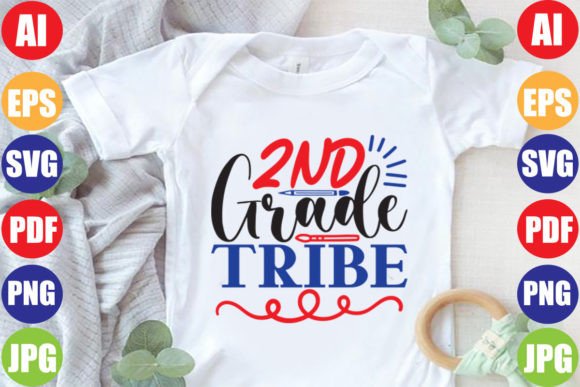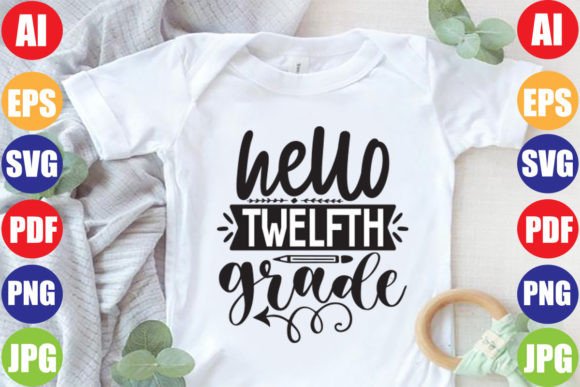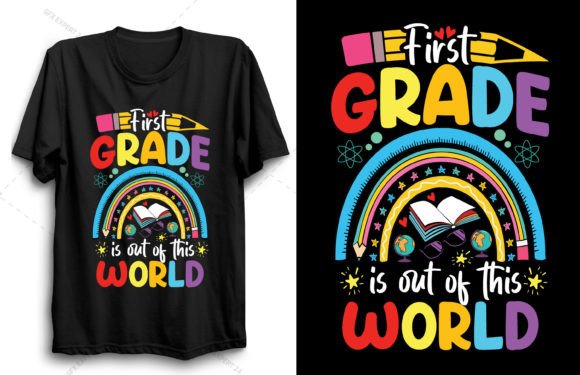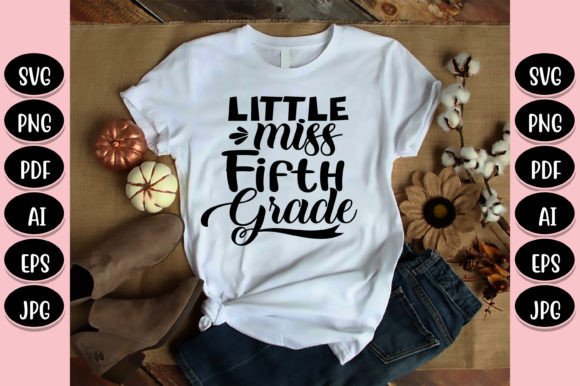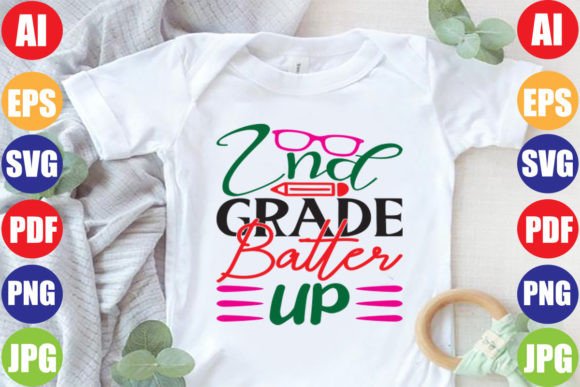
2nd Grade Batter Up Graphics and T-Shirt Designs
As a brand designer with years of experience in local business branding, I recently came across the 2nd Grade Batter Up graphic design asset. This Back To School SVG Design SVG Cut File is perfect for all your DIY projects or handmade business product lines. It offers a playful and nostalgic vibe that immediately brings to mind childhood memories, school spirit, and a sense of fun. The design feels approachable and friendly, making it ideal for small businesses targeting families, children’s products, or educational-themed items.
The Mood and Personality of 2nd Grade Batter Up
The 2nd Grade Batter Up design exudes a warm, lighthearted energy. Its bold, stylized look suggests a brand that values creativity, simplicity, and a touch of whimsy. This makes it particularly well-suited for a bakery, a boutique store selling children’s goods, or a coffee shop looking to add a playful twist to their branding. It doesn’t feel overly formal or corporate, which means it can be used in a variety of contexts without appearing out of place.
When considering brand identity, this design could serve as a strong visual anchor for a small business aiming to build a connection with its audience through nostalgia and charm. It’s not the kind of design that screams “luxury,” but it does offer a sense of authenticity that many handmade businesses strive for.
Real-World Applications for Local Businesses
One of the most valuable aspects of 2nd Grade Batter Up is its versatility. As a graphic design asset, it can be used across multiple touchpoints in a small business’s marketing and product presentation. For instance, a handmade soap business could use it on product labels, while a florist might incorporate it into seasonal packaging or social media graphics.
It also works well in packaging design, where it can act as an accent or a central element. A local bakery could use it on custom gift boxes or promotional flyers, while a children’s clothing brand might feature it on t-shirts, tote bags, or hang tags. The design’s clarity and scalability make it suitable for both digital and print applications, including web design and editorial design.
For a food business, the 2nd Grade Batter Up design could be part of a larger campaign around back-to-school themes, offering a cohesive look across menus, signage, and promotional materials. It also has potential as a printable design for event invitations or party decorations, especially for schools or community events.
Supporting Business Presentation and Brand Identity
Using 2nd Grade Batter Up can significantly enhance a business’s visual appeal. It contributes to a stronger first impression by adding a unique and recognizable element to product packaging or marketing visuals. When used consistently, it helps build a more cohesive brand identity, making it easier for customers to recognize and remember a business.
This design asset also supports better product recognition and improved customer trust. When a business uses a well-designed, professional-looking graphic like 2nd Grade Batter Up, it signals attention to detail and a commitment to quality. This can be especially important for small businesses competing in crowded markets.
In terms of visual hierarchy, the design allows for clear and effective communication. Whether it's used as a hero graphic on a website banner or as a decorative element on a product label, it maintains its impact without overwhelming the surrounding content. This makes it ideal for businesses looking to create polished marketing visuals without sacrificing readability or usability.
Best Use Cases for 2nd Grade Batter Up
The 2nd Grade Batter Up design shines in situations where a playful, nostalgic aesthetic is desired. It works exceptionally well as a product label or packaging accent, helping to differentiate a product on the shelf. It can also serve as a key element in promotional banners, seasonal packaging, or social media campaign graphics.
For a boutique store or a handmade business, this design can be used to create a cohesive look across various items, from stickers and thank-you cards to menu graphics and business cards. It’s also great for product mockups, allowing businesses to visualize how the design will appear on different materials before committing to production.
Additionally, it can be a valuable addition to a creative marketplace seller’s inventory, offering a ready-made design that can be customized for different clients or projects. Its SVG format ensures that it remains editable and scalable, making it a practical choice for designers working on commercial design projects.
Where to Use with Caution
While 2nd Grade Batter Up is versatile, there are certain scenarios where it may not be the best fit. For example, it may not align with the tone of formal corporate branding or luxury minimalist brands that prioritize simplicity and elegance over playful elements. In such cases, the design could feel out of place or even detract from the overall message.
It should also be used carefully in areas where text is dominant, such as ingredient-heavy layouts or legal information sections. If placed on low-contrast backgrounds, the design may lose its visibility, making it less effective. Additionally, when used on very small labels, the details may become too fine to read clearly, so testing is essential.
Practical Designer Notes
Before finalizing the use of 2nd Grade Batter Up in any project, it’s important to test it on real packaging mockups to see how it translates in physical form. Checking black and white usage is also crucial, as some designs may lose their impact when printed in monochrome. Previewing the design on small labels and testing it with different brand colors can help ensure it meets the needs of the business.
Comparing it with competitor packaging and reviewing PNG transparency can reveal potential issues that may affect the final outcome. Inspecting the SVG or vector editability is also recommended, especially if the design needs to be adjusted for specific applications. Testing the design alongside different font styles—such as serif, sans serif, script, handwritten, or display fonts—can help determine how it complements the overall typography.
Finally, always confirm the commercial licensing before using the design for client work, business branding, or physical product sales. This ensures that the business is fully compliant and avoids any potential legal issues down the line.