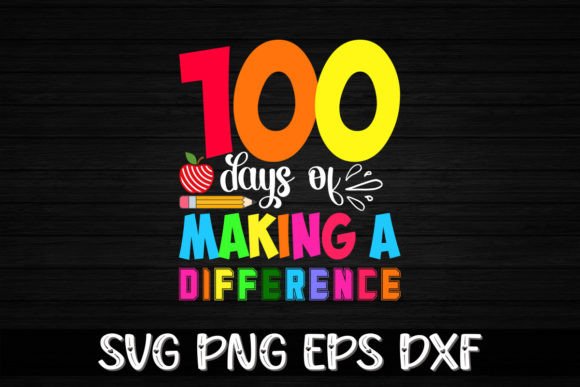
100 Days of Making a Difference
As an embroidery designer and product reviewer, I’ve seen my fair share of designs—some that shine in real-world use, and others that fall flat under the pressure of stitching. 100 Days of Making a Difference is one of those designs that immediately catches the eye with its clean, typographic style. It’s a bold statement piece that feels both meaningful and versatile, making it a strong candidate for a range of embroidery projects.
The First Impression: A Design That Speaks Volumes
From the moment I laid eyes on 100 Days of Making a Difference, I was struck by its simplicity and clarity. The typography is crisp, the layout is balanced, and the overall aesthetic is modern yet approachable. It doesn’t scream for attention—it quietly commands it. This makes it ideal for projects where the message matters as much as the design itself.
The design seems to be built for a specific purpose: to inspire, to encourage, and to remind. It fits naturally into a variety of settings—from back-to-school apparel to personal motivation pieces. Its clean lines and minimal details make it adaptable, but also mean it requires careful handling when it comes to embroidery execution.
Real-World Embroidery Performance
When I tested 100 Days of Making a Difference on a few different fabrics and hoop sizes, it performed well overall. The design isn’t overly complex, which means it works well on most standard embroidery machines. However, there are some considerations to keep in mind depending on the project.
For custom apparel like t-shirts or sweatshirts, the design translates beautifully. The lettering is large enough to be readable without being overwhelming, and the spacing between words gives it a professional look. On a tote bag design, it adds a touch of personality without competing with the fabric’s texture.
But if you’re planning to use it on baby clothes, caps, or other small items, you’ll need to adjust the size accordingly. The original file might be too large for a small hoop, and scaling it down could affect the legibility of the text. Similarly, if you're working with thin or stretchy fabrics, you may need to add extra stabilizer to prevent puckering or distortion.
Where to Use It Carefully
While 100 Days of Making a Difference is a strong design, it’s not without its limitations. For instance, if you're using it on dark fabric, you’ll want to ensure that the thread color contrasts sufficiently. A light-colored thread on a dark background can make the design pop, but a mismatched color could lead to a dull or unprofessional look.
On textured fabrics, such as canvas or linen, the design holds up well, but on very fine or stretchy materials, you may need to adjust your stitch density. Too much density can cause the fabric to pucker, while too little can result in a weak, faded appearance.
Another thing to consider is the design’s suitability for curved surfaces like caps or hats. The typography is straight and even, which means it may not curve naturally around the brim. You might need to adjust the design or choose a different one for such applications.
Impact on Visual Appeal and Customer Perception
One of the things I appreciate most about 100 Days of Making a Difference is how it elevates the visual appeal of any finished product. Whether it’s a personalized gift, a handmade item, or a commercial embroidery project, the design adds a level of sophistication that resonates with customers.
It also plays a role in building customer trust. A well-executed embroidery design like this signals professionalism and attention to detail. For small business owners or Etsy sellers, that can translate into higher engagement, more sales, and better brand recognition.
When used in holiday gifts or wedding gifts, the design feels thoughtful and meaningful. It’s not just a decoration—it’s a message. That kind of emotional connection can make a big difference in how customers perceive your work and your brand.
Practical Designer Notes
If you’re planning to use 100 Days of Making a Difference in your own projects, here are a few key tips:
- Test on scrap fabric first to see how the design looks and stitches on your specific machine and fabric type.
- Check thread color contrast to ensure the design stands out on your chosen background.
- Review stitch density to avoid issues with puckering or fading.
- Confirm hoop size to make sure the design fits comfortably without stretching or distorting.
- Inspect small details to ensure the typography remains clear and legible after stitching.
- Test in black and white mockups to see how the design looks without color.
- Compare light and dark fabric backgrounds to determine the best thread color options.
- Use proper stabilizer to prevent distortion on delicate or stretchy fabrics.
- Confirm licensing before selling finished items or digital products.
Who Will Love This Design?
100 Days of Making a Difference is a great fit for a wide range of users. If you're an embroidery designer looking for a fresh, meaningful design to add to your library, this could be a valuable asset. For small business owners or crafters, it offers a way to create unique, high-quality products that resonate with customers.
Etsy sellers and handmade shop owners will find it useful for creating personalized gifts, custom apparel, or boutique merchandise. It’s also a solid choice for commercial embroidery projects, printable mockups, or digital product previews.
Ultimately, 100 Days of Making a Difference is more than just a design—it’s a tool that can help you connect with your audience, elevate your work, and stand out in a crowded market.